
A solid Fairfield CA real estate investment analysis starts with local numbers, not guesswork. If you are buying a rental, a flip, or a long-term hold in Fairfield, CA, you need to understand neighborhood demand, pricing, cash flow potential, and exit strategy before you make an offer.
Why Fairfield appeals to investors
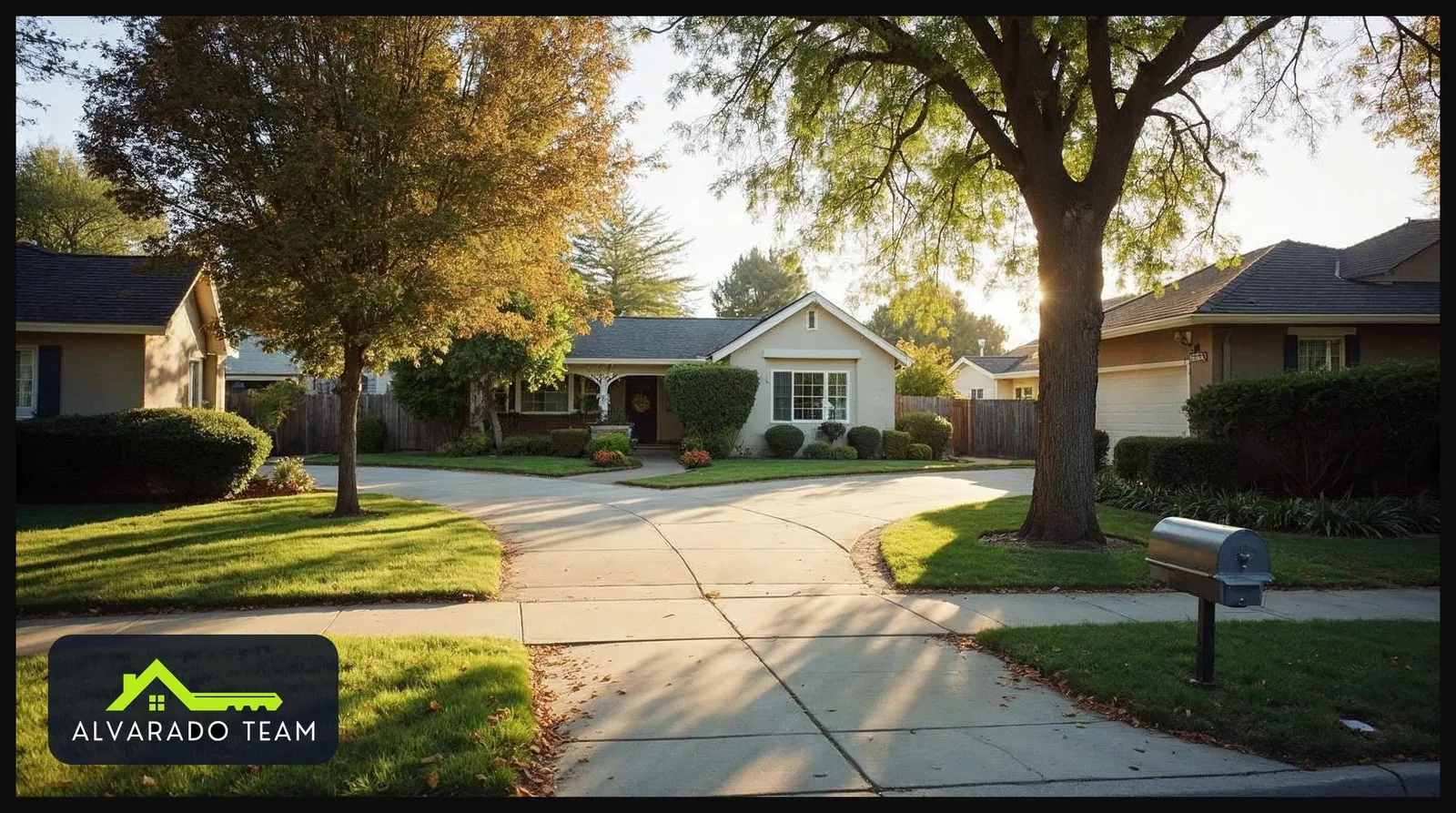
Fairfield sits in a practical middle ground for investors. It offers access to major employment corridors, commuter routes, military-related demand, and a broad mix of housing types that can support different investment strategies. That combination can create steady buyer and renter interest when the property is priced and positioned correctly.
- A range of price points, from entry-level homes to higher-end properties.
- Strong demand from renters who want convenience to jobs, transit, and regional access.
- Neighborhoods with different risk profiles, which lets investors match strategy to location.
- A market where local condition, layout, and school or commute appeal can matter as much as square footage.
The key is to treat Fairfield as several micro-markets, not one uniform market. A property that works as a rental near one corridor may not perform the same way in another part of the city.
Fairfield CA real estate investment analysis: what to review first
Before you buy, run the property through a simple investment screen. The goal is to determine whether the deal works on paper and in practice, especially if you plan to hold it for more than a few years.
- Purchase price versus current market rent, not just the seller’s asking price.
- Property taxes, insurance, HOA dues, and any special assessments.
- Estimated repairs, maintenance, vacancy, and management costs.
- Likely financing terms, including down payment and interest rate impact on monthly cash flow.
- Exit options, such as resale to an owner-occupant or future refinance.
For Fairfield investors, the most common mistake is focusing only on the headline rent estimate. A property can look strong on gross rent and still underperform once you account for repairs, turnover, and financing.
How to judge neighborhood performance in Fairfield
Neighborhood analysis matters because investor returns often depend on local demand drivers. In Fairfield, the right street, school zone, commute access, and property condition can change how fast a home rents or resells.
- Look at recent comparable sales within a tight radius, not just citywide averages.
- Compare days on market for similar homes in the same price band.
- Review rent levels for homes with the same bedroom count, parking, yard size, and condition.
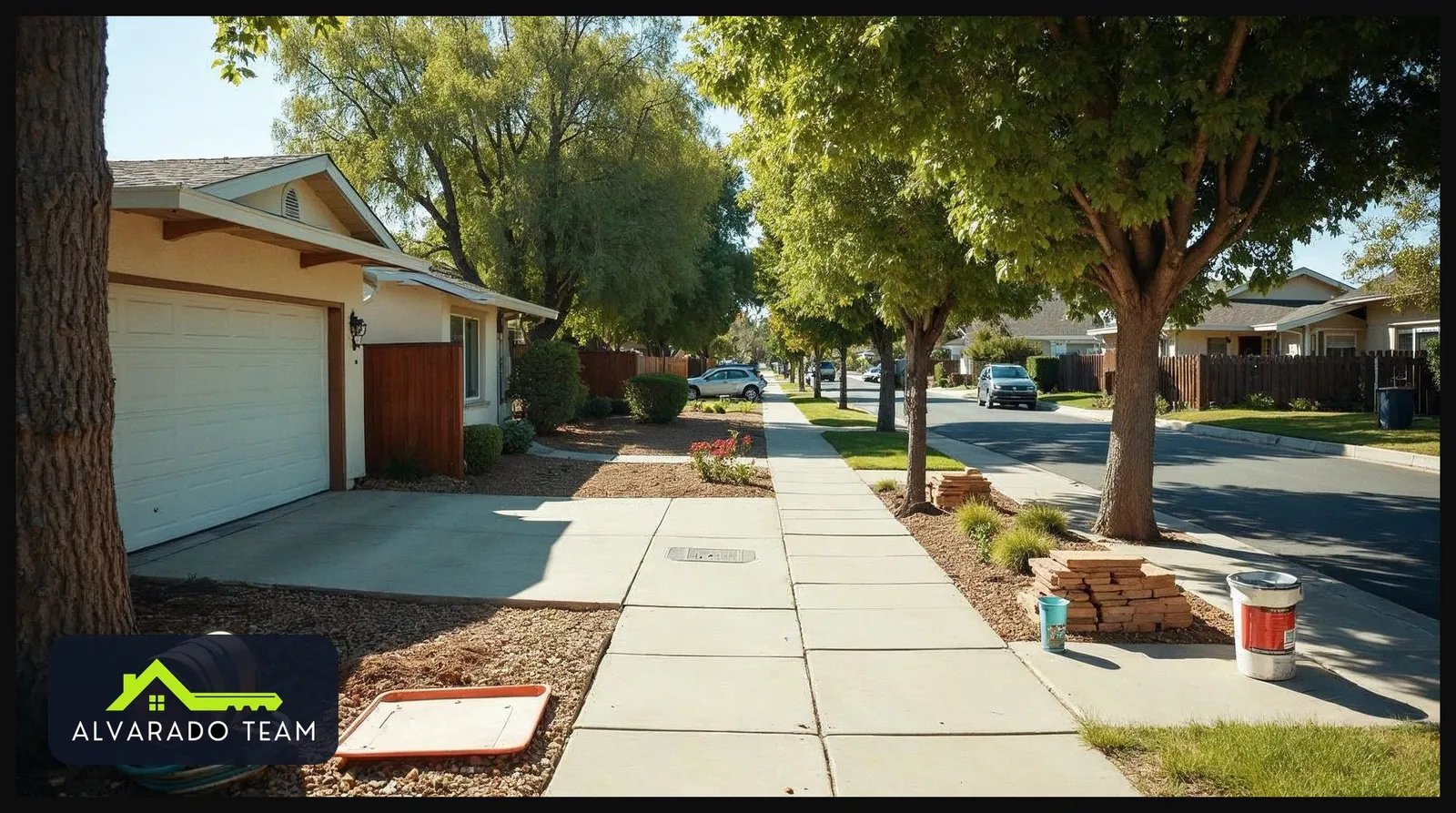
- Pay attention to nearby amenities, noise sources, and curb appeal factors that affect tenant and buyer demand.
- Check whether homes in that area attract first-time buyers, move-up buyers, or long-term renters.
A local Fairfield real estate agent with investor experience can help you separate true demand from temporary pricing spikes. That matters when you are deciding whether to hold, renovate, or sell quickly.
Cash flow, appreciation, and risk, which strategy fits?
The best Fairfield investment strategy depends on your goals and risk tolerance. Some buyers want monthly cash flow, while others are willing to accept tighter returns in exchange for longer-term appreciation or equity growth through improvements.
- Cash flow buyers should prioritize conservative rent estimates and low operating costs.
- Value-add investors should budget realistically for repairs, permits, and time off market.
- Long-term holders should look for locations with stable demand and resale appeal.
- Flip investors need a clear after-repair value estimate and room for financing, closing, and carrying costs.
- Buy-and-hold investors should test the deal under higher interest rate and vacancy scenarios.
In Fairfield, properties with solid fundamentals often perform better than those with cosmetic appeal alone. Structure, location, and realistic rent potential usually matter more than a fresh paint job.
Common mistakes investors make in Fairfield
Many first-time and out-of-area investors lose money by skipping local due diligence. Fairfield can be a smart market, but only if you price the deal correctly and understand what buyers and renters actually want.
- Overestimating rent based on upgraded properties that are not truly comparable.
- Underestimating repairs on older homes, especially deferred maintenance.
- Ignoring HOA rules, rental restrictions, or insurance requirements.
- Buying in a location that looks good on paper but has weaker resale demand.
- Assuming appreciation will cover poor cash flow.
If you are considering a renovation, make sure the numbers still work after holding costs and realistic resale timing. A good Fairfield CA home values review should include both the current condition and the likely buyer pool after repairs.
Frequently asked questions
Is Fairfield a good place to buy an investment property?
It can be, if the property is priced correctly and the numbers work after taxes, repairs, and financing. Local demand and neighborhood fit are critical.
What should I look at first in a Fairfield CA real estate investment analysis?
Start with rent estimates, comparable sales, property condition, and all monthly carrying costs. That gives you a realistic view of cash flow and risk.
Should I buy for cash flow or appreciation in Fairfield?
It depends on your goals. Cash flow investors need conservative underwriting, while appreciation-focused buyers should be more selective about location and long-term resale demand.
Talk with Team Alvarado before you buy
If you are evaluating a Fairfield investment property, Team Alvarado can help you review the numbers, compare neighborhoods, and avoid costly mistakes. With years of experience selling, listing, and investing in Fairfield, CA, Team Alvarado brings local insight that can make your next move more informed and more profitable.